Navigating the vast ocean of water bottles can feel overwhelming. With countless options boasting various materials, designs, and features, finding the ideal hydration companion seems like a quest. But don’t fret; this comprehensive guide is here to simplify your journey, helping you discover the perfect water bottle that aligns with your lifestyle, needs, and commitment to a healthier planet. Let’s dive in and demystify the world of water bottles.
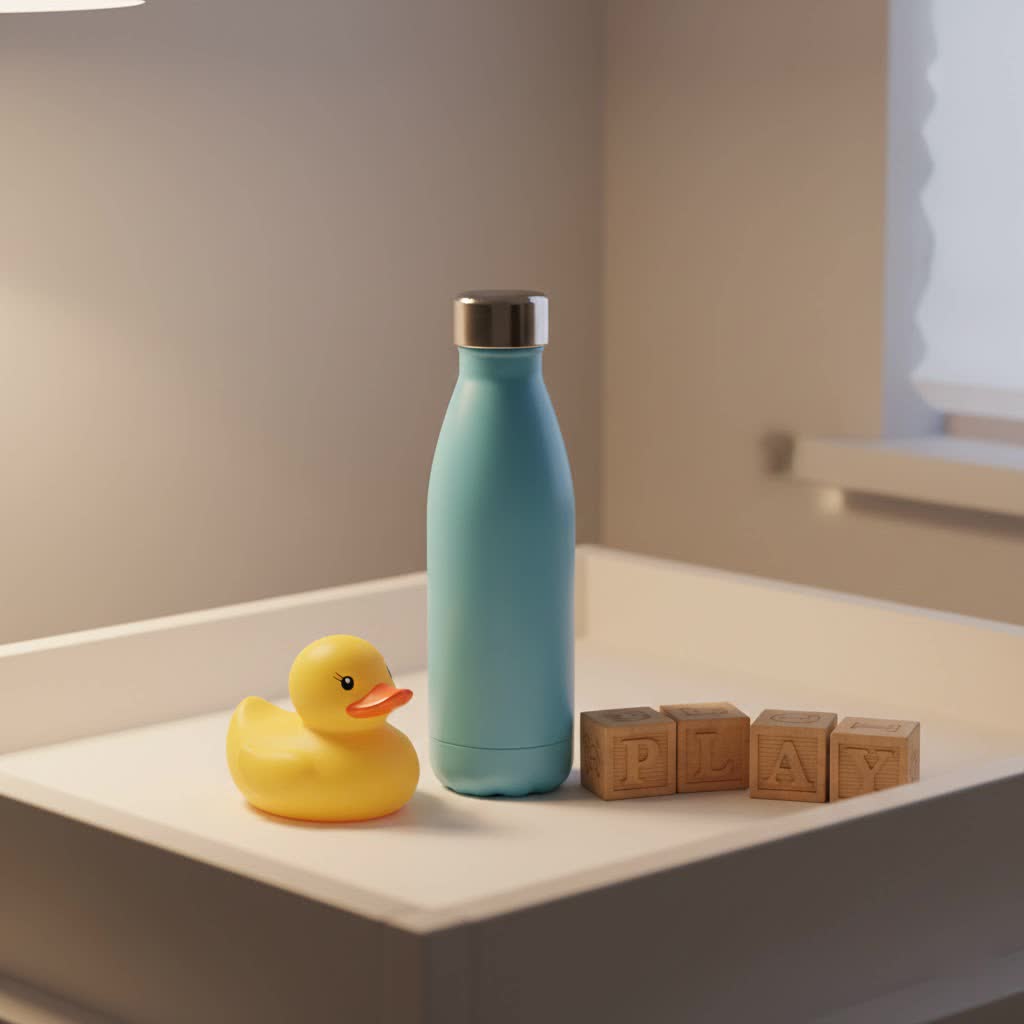
Understanding the Different Types of Water Bottles
Water bottles come in a spectrum of materials, each offering distinct advantages and disadvantages. Your choice often hinges on prioritizing factors like safety, durability, weight, and environmental impact.
Plastic Water Bottles
|
Our Picks for the Best Water Bottle in 2026
As an Amazon Associate I earn from qualifying purchases.
|
||
| Num | Product | Action |
|---|---|---|
| 1 | Owala FreeSip Sway Insulated Stainless Steel Water Bottle with Two-Way Spout, Built-In Straw and Bucket Handle, Made for Travel, School, and Sports, 30oz, BPA Free, Leak Proof, Pink Angel Food Cake |

|
| 2 | Owala Kids FreeSip Insulated Stainless Steel Water Bottle with Straw, BPA-Free Sports Water Bottle, Great for Travel, 16 oz, All the Berries |
|
| 3 | Owala FreeSip Insulated Stainless Steel Water Bottle with Straw, BPA-Free Sports Water Bottle, Great for Travel, 24 Oz, Very, Very Dark - Insulated, with Straw, for Sports, Travel, and School, BPA-Free |
|
| 4 | Owala FreeSip Insulated Stainless Steel Water Bottle with Straw for Sports, Travel, and School BPA-Free Sports Water Bottle, 24 oz, Beach House |
|
| 5 | Owala FreeSip Sway Insulated Stainless Steel Water Bottle with Two-Way Spout, Built-In Straw and Bucket Handle, Made for Travel, School, and Sports, 30oz, BPA Free, Leak Proof, Black Cherry |
|
| 6 | Owala FreeSip Insulated Stainless Steel Water Bottle with Straw, BPA-Free Sports Water Bottle, Great for Travel, 24 Oz, Black Cherry |
|
| 7 | Owala FreeSip Insulated Stainless Steel Water Bottle with Straw for Sports and Travel, BPA-Free Sports Water Bottle, 24 oz, Green/Mint, Alpine Sport |
|
| 8 | Owala FreeSip Insulated Stainless Steel Water Bottle with Straw for Sports and Travel, BPA-Free Sports Water Bottle, 24 oz, Pink, Angel Food Cake |
|
| 9 | POWCAN 26 oz Insulated Water Bottle with 2-in-1 Straw and Spout Lid, Keep Cold 24H, Leak-Proof, Fits in Car Cup Holder, Stainless Steel Water Bottle for Sports, Travel, and School (Cotton Candy) |
|
| 10 | Owala FreeSip Insulated Stainless Steel Water Bottle with Straw, BPA-Free Sports Water Bottle, Great for Travel, 24 Oz, Denim |
|
Plastic bottles are often favored for their lightweight nature and affordability. Modern plastic options, particularly those made from Tritan or recycled PET (rPET), are increasingly designed to be BPA-free, addressing health concerns associated with older plastics. They are shatter-resistant, making them a practical choice for activities where drops are likely. However, traditional plastics raise significant environmental concerns due to their petroleum-based origins, slow decomposition, and contribution to microplastic pollution. Even BPA-free plastics can still be less sustainable than other materials and typically offer no insulation.
Stainless Steel Water Bottles
Stainless steel reigns as one of the most popular and versatile materials for reusable water bottles. Renowned for its exceptional durability, stainless steel is resistant to dents, scratches, and corrosion, ensuring longevity. Crucially, it does not leach chemicals into your beverages or absorb odors and flavors, providing a consistently pure taste. Many stainless steel bottles feature double-wall vacuum insulation, excelling at keeping drinks hot for hours and cold for an entire day, making them ideal for all climates and activities. While they tend to be heavier and have a higher upfront cost than plastic, their long lifespan and superior performance make them a worthwhile investment.
Glass Water Bottles
For those who prioritize taste purity and a chemical-free drinking experience, glass water bottles are an excellent choice. Glass is entirely non-reactive, ensuring your water tastes exactly as it should, without any metallic or plastic undertones. It’s also aesthetically pleasing and easy to clean. However, glass is inherently fragile and heavier than plastic or aluminum, making it less suitable for rugged outdoor adventures. Many come with silicone sleeves to offer some protection against minor impacts, but they generally lack insulation unless specifically designed with double-walled construction.
Aluminum Water Bottles
Aluminum bottles offer a lightweight and affordable alternative, often featuring a sleek design. While recyclable, they come with a significant caveat: aluminum is not safe for direct contact with beverages as it can leach toxic compounds. To mitigate this, aluminum bottles are typically lined with a thin plastic coating. This lining can degrade over time and with use, potentially exposing you to both plastic particles and aluminum. This degradation can also lead to unwanted metallic tastes and compromise the bottle’s safety. For these reasons, aluminum bottles are generally not recommended for daily, long-term use.
Specialty Water Bottles
Innovation continues to shape the water bottle market, introducing specialized options such as:
- Smart Water Bottles: These bottles connect to apps to track your water intake, remind you to hydrate, and even monitor liquid temperature. They are perfect for tech-savvy individuals aiming to optimize their hydration habits.
- Hydrogen Water Bottles: Claiming health benefits, these bottles infuse water with hydrogen molecules, believed by some to offer antioxidant properties and boost energy. While the science is still evolving, many users report positive experiences.
Essential Factors When Choosing a Water Bottle
Selecting the perfect water bottle goes beyond aesthetics. Consider these critical factors to ensure your choice truly meets your needs.
Capacity
The ideal capacity of your water bottle depends heavily on your daily activities and hydration goals.
- Smaller sizes (300-500ml): Convenient for short commutes, quick errands, or children. They fit easily into handbags and car cup holders.
- Medium sizes (500ml-1 liter): A popular all-rounder for daily office use, light exercise, or students. You might need to refill once or twice throughout the day.
- Larger sizes (1 liter+): Essential for extended workouts, long hikes, road trips, or if you prefer fewer refills throughout the day. Be mindful that larger capacities mean more weight.
“Choosing the right capacity isn’t just about how much water you can carry; it’s about minimizing refills and ensuring constant access to hydration throughout your day, wherever you are.”
Material
The material dictates safety, durability, and taste.
- Safety: Prioritize BPA-free options for plastics. Stainless steel and glass are inherently non-toxic and do not leach chemicals. Avoid aluminum bottles for daily use due to potential lining degradation.
- Durability: Stainless steel offers superior resistance to drops and impacts. Tritan plastic is also durable but can scratch. Glass is the most fragile, requiring careful handling.
- Taste Purity: Glass and stainless steel are best for preserving the natural taste of water. Some plastics can impart a subtle flavor, and aluminum liners can degrade into a metallic taste.
- Environmental Impact: Stainless steel and glass are highly recyclable and durable, reducing reliance on single-use plastics. Opt for rPET plastics if choosing plastic to support recycled materials.
Insulation Performance
If maintaining beverage temperature is a priority, insulation is key.
- Vacuum Insulation: The most effective method, featuring a double-walled construction with a vacuum between the layers. This vacuum creates a barrier that drastically reduces heat transfer through conduction and convection, keeping drinks hot for up to 12 hours and cold for 24 hours or more.
- Double-Walled (non-vacuum): Offers some insulation, but less effective than vacuum-sealed designs.
- Foam Insulation: Found in some plastic bottles, it provides basic temperature retention but is not comparable to vacuum insulation.
Insulated bottles also prevent condensation on the exterior, keeping your hands and bags dry.
Design and Features
Beyond the core function, thoughtful design elements enhance the user experience.
- Lid Type: Options include screw caps, flip-top lids, straw lids, chug caps, and push-button mechanisms. Consider ease of opening, cleaning, and leak-proof design. Straw lids are convenient for sipping on the go, while wide-mouth openings are easier to clean and fill with ice.
- Carrying Options: Handles, loops, or carabiner clips make transportation easier, especially for larger bottles or during outdoor activities.
- Leak-Proof: A non-negotiable feature for peace of mind, especially when carrying your bottle in a bag.
- Ease of Cleaning: Bottles with wide mouths and minimal intricate parts are generally easier to clean, preventing mold and bacteria buildup. Some bottles are dishwasher safe (lids often require handwashing).
- Cup Holder Compatibility: For commuters, ensuring your bottle fits in car cup holders is a practical consideration.
- Additional Features: Built-in filters, fruit infusers, measurement markings, or smart capabilities can add value depending on your specific needs.
Brand and Price
Reputable brands often signify quality and reliability, but don’t let price be the sole determinant.
- Established Brands: Brands like Hydro Flask, Contigo, Owala, and Yeti are known for their quality, durability, and performance.
- Value for Money: Sometimes, lesser-known brands like Iron Flask offer comparable insulation and features at a more accessible price point.
- Long-Term Investment: A more expensive, high-quality stainless steel bottle might save you money in the long run by outlasting multiple cheaper alternatives.
Comparative Table of Water Bottle Materials
| Material | Durability | Insulation | Safety | Eco-Impact | Weight | Cost |
|---|---|---|---|---|---|---|
| Stainless Steel | Excellent | Very Good (vacuum) | Excellent (non-leaching) | High (recyclable, long lifespan) | Moderate | Moderate-High |
| BPA-Free Plastic (Tritan/rPET) | Good | Poor | Good (if BPA-free) | Moderate (rPET better, microplastics risk) | Very Low | Low-Moderate |
| Glass | Fragile | Poor (unless double-walled) | Excellent (non-leaching) | High (recyclable, natural) | High | Moderate-High |
| Aluminum | Good | Poor | Poor (lining degrades) | Moderate (recyclable, high initial energy, lining issues) | Low | Low |
Your Ultimate Water Bottle Buying Guide
Making the right choice for a water bottle involves a thoughtful process. Follow these steps to ensure you pick a companion that truly serves your hydration journey.
1. Assess Your Hydration Needs
Start by considering how and where you’ll primarily use your water bottle.
- Daily Commute/Office: A medium-sized, insulated stainless steel bottle with a leak-proof lid is ideal.
- Gym/Sports: Look for durable, often insulated, bottles with a convenient one-handed opening mechanism (like a straw or chug cap) and appropriate capacity for your workout duration. Plastic (Tritan) might be preferred for its lightness.
- Hiking/Outdoor Adventures: Durability, adequate capacity, and excellent insulation (for varying temperatures) are crucial. Stainless steel or robust Tritan plastic options are strong contenders.
- Home/Desk Use: Glass or a stylish stainless steel bottle can elevate your hydration experience, where weight and fragility are less of a concern.
- Specific Goals: If you want to track intake, a smart bottle is beneficial. If you want pure taste, glass or stainless steel are top.
2. Research and Compare Products
Once you’ve identified your primary needs, dive into product research.
- Read Reviews: Consult independent review sites and user testimonials for insights into real-world performance, durability, and common issues.
- Compare Features: Look for specific features like insulation claims (how many hours hot/cold), lid types, material safety certifications (BPA-free, 18/8 stainless steel), and cleaning instructions.
- Consider Brands: Explore offerings from reputable brands and compare their specific models.
3. Purchase from Reputable Retailers
Buy your water bottle from trusted stores or official brand websites. This ensures you receive a genuine product, benefit from warranty policies, and have access to customer support if needed. Check for clear product descriptions regarding materials, care, and safety standards.
4. Proper Care and Maintenance
To maximize the lifespan and hygiene of your water bottle, follow these care tips:
- Regular Cleaning: Wash your bottle daily with warm, soapy water. Use a bottle brush to reach all internal surfaces. Lids, especially those with straws or intricate mechanisms, require thorough cleaning to prevent mold and bacterial growth.
- Deep Cleaning: Periodically use a mixture of baking soda and vinegar or specialized cleaning tablets for a deeper clean.
- Drying: Always allow your bottle and lid to air dry completely, upside down, to prevent odors and mildew.
- Avoid Harsh Chemicals: Do not use abrasive cleaners or harsh chemicals that could damage the material or lining.
- Handle with Care: While stainless steel is durable, excessive drops can still cause dents. Handle glass bottles with extreme care to prevent shattering.
Top-Rated Water Bottles for Every Need
Based on extensive testing and user feedback, here are some highly-regarded water bottles that cater to diverse requirements:
- Coldest Bottle: Often lauded for its superior triple-wall vacuum insulation, keeping drinks cold for an astonishingly long time. It’s durable, leakproof, and available in various sizes and stylish designs. While pricier, its performance justifies the investment.
- Hydro Flask Wide Mouth: A versatile and popular choice, known for its excellent double-wall vacuum insulation, maintaining temperatures for hours. It’s made from 18/8 pro-grade stainless steel, is durable, easy to clean, and offers customizable lid options, including convenient straw lids.
- Owala FreeSip: Stands out with its unique FreeSip spout, allowing users to sip through a built-in straw or chug from a wider opening. It offers reliable cold retention and a leakproof design with a locking lid, though it is not recommended for hot liquids.
- YETI Yonder: For those prioritizing lightweight and durability in a plastic bottle, the YETI Yonder is a top contender. Made from Tritan plastic, it’s 100% leakproof, BPA-free, and designed for easy carrying, making it ideal for hikes and active use where insulation isn’t the main concern.
- Waterdrop Glass Bottle: Offers an unparalleled pure taste experience with its borosilicate glass construction. It’s often accompanied by a protective neoprene sleeve and features a cap made from stainless steel, silicone, and bamboo for a minimal plastic-contact design. It’s perfect for home or office use where taste and aesthetics are paramount.
- HidrateSpark Smart Bottle: This innovative stainless steel bottle syncs with an app to track your daily water intake and glows to remind you to drink, making hydration an engaging and fun experience. It’s insulated, sleek, and perfect for those who benefit from digital motivation.
Conclusion
Choosing the right water bottle is a personal decision that impacts your health, convenience, and environmental footprint. By understanding the different materials, evaluating key features like capacity, insulation, and design, and considering your lifestyle, you can confidently select a water bottle that truly enhances your daily hydration. Whether you opt for the robust insulation of stainless steel, the pure taste of glass, or the lightweight practicality of a BPA-free plastic, a mindful choice is a step towards a healthier, more sustainable you.
What will be your ultimate hydration companion on your journey to wellness?
Frequently Asked Questions
Are plastic water bottles truly safe if they are labeled BPA-free?
While BPA-free plastic bottles eliminate the risk of Bisphenol A, concerns still exist regarding other potential chemicals or microplastics that might leach over time, especially with heat or wear. For optimal safety and environmental impact, stainless steel and glass are generally considered superior alternatives. If choosing plastic, look for bottles made from 100% recycled PET (rPET) which reduces environmental burden.
How long do insulated water bottles typically keep drinks cold or hot?
High-quality insulated stainless steel water bottles, utilizing double-wall vacuum technology, can keep cold drinks chilled for 24 hours or even longer with ice, and hot beverages warm for 8 to 12 hours. The exact duration can vary based on the initial temperature of the liquid, the ambient temperature, and how frequently the bottle is opened.
Why are aluminum water bottles generally not recommended for daily use?
Aluminum bottles require an internal plastic lining to prevent the toxic metal from reacting with beverages. This lining can degrade over time and with use, leading to potential health risks from plastic or aluminum leaching into your drink. Additionally, aluminum offers poor insulation compared to stainless steel and is prone to dents, making it a less reliable and safe choice for long-term daily hydration.
